Expert guide
Everything you need to know about Ultra Pain Relief Cooling Pillow for Neck Support
A detailed, honest look at performance, fit, and value—written to help you decide with confidence.
Neck Support Meets Cooling Comfort
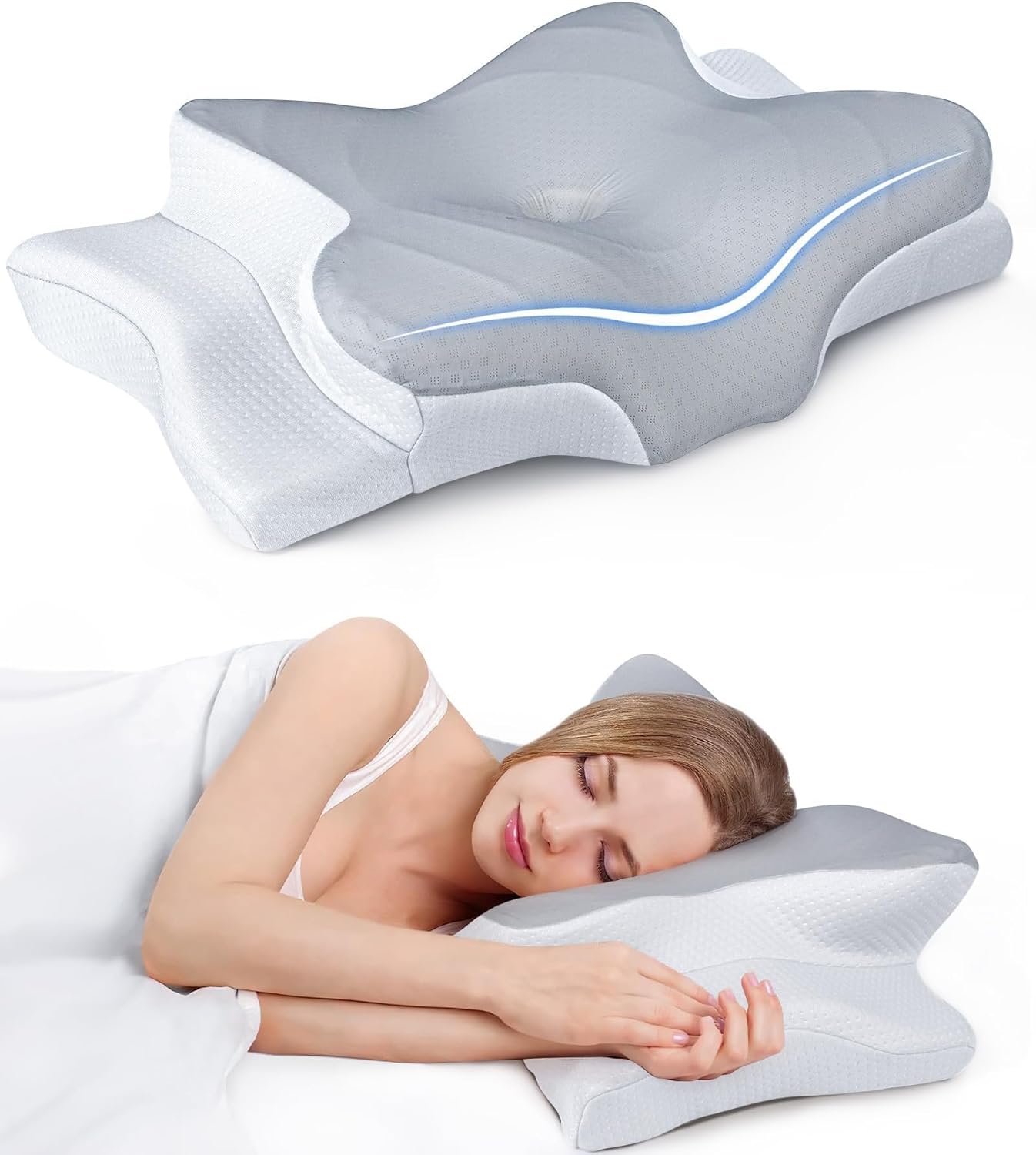
The ultra pain relief cooling pillow targets sleepers who wake with stiff necks, tension headaches, or overheated scalps on memory foam that traps heat. Its ergonomic contour cradles the cervical spine while a cooling surface layer helps dissipate the warmth that builds through the night. Unlike flat pillows that force your head too high or too low, this orthopedic design follows the natural curve from neck to shoulders, encouraging muscles to relax instead of fighting gravity for eight hours.
Adjustable height is a core feature: removable or repositionable inserts let side, back, and stomach sleepers fine-tune loft without buying three different pillows. Side sleepers typically need more fill under the neck gap; back sleepers often prefer a medium contour; stomach sleepers can thin the profile to reduce neck extension. That adaptability is why adjustable cervical pillows dominate pain-relief categories—they respect that bodies are not one-size-fits-all.
Odorless memory foam addresses a common complaint about budget contour pillows: chemical off-gassing that lingers for weeks. Moving to odorless foam means you can sleep on it soon after unboxing, which matters when you are replacing a pillow because pain is already disrupting rest.
Ergonomic Contour and Memory Foam Behavior
Memory foam responds to heat and weight by molding to your shape, then rebounding slowly when you shift. The contour channels that response into zones: a depression for the head, raised wings for neck support, and sometimes shoulder cutouts that keep alignment when you roll. Proper alignment means your nose stays roughly in line with your sternum on your side, and the back of your head nestles without chin tucking on your back.
Pain relief in marketing language should translate to real mechanics: less lateral neck bend, less shoulder hike, fewer midnight adjustments. Users with desk jobs and forward-head posture often notice the biggest difference because the pillow counteracts daytime slouch during recovery hours.
Cooling in this context is usually a breathable cover or gel-infused surface paired with airflow-friendly foam structure—not a refrigerator effect. Expect a cooler touch at bedtime and less heat pooling than solid block foam without ventilation. Pair with breathable pillowcases and room airflow for best results.
Side, Back, and Stomach Sleeper Guide
Side sleepers: use the higher contour edge or add insert material so the neck fills the space between ear and mattress without shoulder compression. Your spine should look straight when viewed from the foot of the bed. Back sleepers: center the head in the contour dip so the neck roll supports the cervical curve without pushing the chin upward. Stomach sleepers: remove excess loft to minimize neck rotation; cooling still helps if your face contacts the pillow surface.
If you switch positions overnight, adjustable height prevents buying separate soft and firm pillows. Experiment over three to five nights per configuration—muscle memory takes time. Mild soreness on night one can happen when alignment changes; persistent pain warrants consulting a healthcare provider.
Stomach sleeping is hardest on the neck generally; this pillow mitigates but does not erase anatomy. Combining a thinner setting with a mattress that is not overly soft improves outcomes.
Cooling Surface and Sleep Temperature
Hot sleepers chase pillows that do not feel like heated bricks at 2 a.m. The cooling claim here works with moisture-wicking covers and foam formulations that resist heat retention better than solid non-ventilated blocks. Washable covers let you refresh the coolest-feeling layer weekly, which hygiene-minded users appreciate during allergy season.
Cooling pillows complement—not replace—room temperature management. A fan, breathable sheets, and lower thermostat settings still matter. Where this product shines is localized contact: the face and neck stay less clammy, which reduces flip-flopping that fragments sleep cycles.
Memory foam softens in warm rooms; keep bedrooms moderately cool if you want firm support all night. In winter, the cooling cover may feel brisk at first—a sign it is doing its job rather than a defect.
Setup, Adjustment, and Long-Term Care
Allow the pillow to expand fully after unboxing per included instructions. Air in a ventilated room if any faint new-product smell appears, even with odorless foam labeling. Insert or remove height layers systematically: change one variable at a time so you know which setting helped.
Wash removable covers on gentle cycles; protect foam from machine washing unless explicitly allowed. Fluff and rotate the pillow monthly to even out compression. Replace when contour no longer rebounds or pain returns despite good sleep hygiene—that is typically years, not months, with quality foam.
The ultra pain relief cooling pillow bundles cervical alignment, adjustable loft, odorless memory foam, and a cooler sleep surface for people who have tried flat pillows and still wake aching. It is an orthopedic bed pillow in the true sense: shaped for spine-friendly rest, not just marketed fluff.
Common questions
Quick answers before you buy
- Is this pillow truly cooling or just marketing?
- Cooling comes from breathable materials and surface treatments that feel cooler to the touch and reduce heat buildup versus basic solid foam. It will not feel like an ice pack, but hot sleepers usually notice less warmth at the head and neck.
- How do I adjust height for my sleep position?
- Use the removable inserts or contour sides described in the manual. Side sleepers often need more loft; back sleepers moderate; stomach sleepers less. Change one setting at a time and test for several nights.
- Will it help neck pain?
- Ergonomic contour and cervical support can reduce strain for many users by improving alignment. Results vary by cause of pain. Consult a medical professional for chronic or severe symptoms; the pillow supports comfort but is not a medical device.
- Does the memory foam have a chemical smell?
- The product advertises odorless memory foam for minimal off-gassing. Air briefly after unboxing if you detect any new-product scent. Persistent strong odors are uncommon with odorless formulations.
- Can side, back, and stomach sleepers all use it?
- Yes. Adjustable height and contour shaping accommodate multiple positions. Stomach sleepers should use the lowest profile to limit neck extension.
- How do I clean it?
- Remove and wash the cover according to label instructions. Keep inner foam dry unless the manufacturer specifies otherwise. Spot-clean foam only when permitted and dry completely before use.